House clearance on Stroud Green Road Finsbury Park tips
Posted on 18/06/2026
If you are planning a house clearance on Stroud Green Road in Finsbury Park, the job can feel bigger than it first looks. One room becomes three, the loft suddenly matters, and that awkward pile of mixed items by the hallway starts staring back at you. Truth be told, the best clearances are rarely about brute force. They come from good timing, clear sorting, and a sensible plan for access, parking, and disposal.
This guide gives you practical, local-minded house clearance on Stroud Green Road Finsbury Park tips so you can avoid common mistakes, save time, and keep the process tidy from start to finish. Whether you are clearing a flat after a move, handling a probate property, or simply reclaiming space, the right approach makes a real difference.
For a broader look at what the team can help with, you may also find the services overview useful, and if your clearance overlaps with mixed household waste, the page on waste clearance in Finsbury Park can help frame the options.
Why House clearance on Stroud Green Road Finsbury Park tips Matters
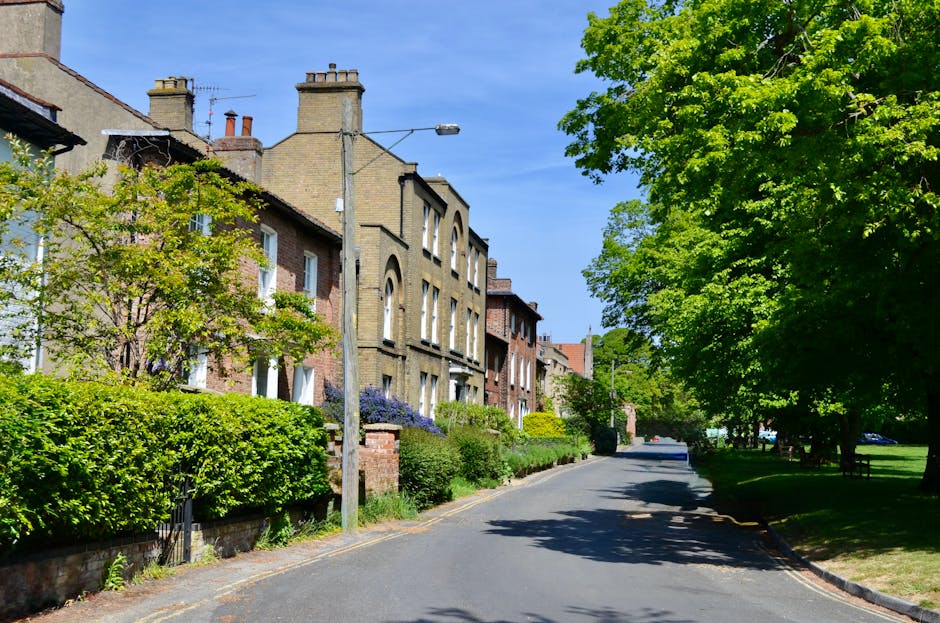
Stroud Green Road sits in a busy, lived-in part of north London where properties can be compact, access can be awkward, and neighbours are often only a thin wall away. That means a house clearance is not just a matter of removing furniture. It is a logistics job, a sorting job, and, in some cases, a sensitivity job too.
Why does that matter? Because without a decent plan, the obvious problems show up fast. Items block hallways. Bags are separated too late. Parking becomes a scramble. A van waits while someone decides whether a chair is charity-bound, recycling-bound, or just too far gone. We have all seen clear-outs that started with optimism and ended with a ladder balanced in a doorway. Not ideal.
The right tips help you protect the property, reduce stress, and keep reusable items out of the wrong waste stream. They also matter when you are managing a time-sensitive move, dealing with an inherited home, or getting a rental ready for new tenants. In a street like Stroud Green Road, where people come and go quickly and schedules can be tight, efficiency is not a luxury. It is the whole game.
There is also a sustainability angle. If you sort properly, you improve the chance of reuse and recycling. That is especially relevant if you want a more responsible approach, and the page on recycling and sustainability is a good companion read for anyone trying to keep the job environmentally sensible.
Expert summary: The best house clearances on Stroud Green Road are planned around access, item sorting, disposal routes, and the realities of a busy London street. Get those four things right and everything else becomes much easier.
How House clearance on Stroud Green Road Finsbury Park tips Works
At its simplest, house clearance means removing unwanted items from a property so the space is left clear, safe, and ready for its next use. In practice, it usually involves several smaller tasks happening together: separating keep, donate, recycle, and dispose piles; checking bulky items; protecting floors and walls; and loading everything in a sensible order.
A good clearance process normally follows this sequence:
- Initial assessment - Look at what needs removing, what can stay, and whether there are any access issues.
- Sorting - Group items by type and by destination. Mixed piles slow everything down later.
- Planning the load - Heavier pieces come out first, breakables later, and anything awkward gets thought through before it is lifted.
- Removal - Items are carried out carefully, ideally with minimal disruption to the rest of the property.
- Final sweep - Check corners, cupboards, lofts, under beds, and the back of wardrobes. That last look often catches what everyone forgot.
On Stroud Green Road, the "how" also includes street-level realities. Is there enough space for loading? Is the property up stairs? Is there a narrow entry hall or shared passage? Can a van stop close enough without causing unnecessary disruption? These small details sound mundane, but they are what make the difference between a calm job and a messy one.
If the clearance overlaps with a move or property handover, it can be useful to read related local content like Finsbury Park property exchange guidance or the local view in is Finsbury Park good to live in?. They help frame the pressure points people face in the area, especially when time is short.
Key Benefits and Practical Advantages
A well-planned clearance gives you more than a tidy property. It gives you headspace. That sounds a bit dramatic, maybe, but anyone who has lived with a spare room full of old furniture and random boxes knows the feeling.
- Less stress - A plan removes last-minute panic and the "where did we put that?" chaos.
- Better use of space - The property becomes easier to sell, let, hand over, or live in again.
- Safer conditions - Fewer trip hazards, fewer blocked pathways, fewer chances of damage.
- More reuse - Good sorting makes donation and recycling more realistic.
- Time saved - A structured clearance is usually faster than doing it piecemeal over several weekends.
- Cleaner finish - A clear-out done properly tends to leave less dust, debris, and awkward leftover clutter.
There is also a mental benefit that is hard to quantify. Once the old sofa, worn shelving, and mystery bag from the back of the cupboard are gone, the property feels lighter. You notice the room again. Light comes in differently. Sounds echo a bit more. It is strange how much stuff can shape the mood of a place.
For many households, the main advantage is simply momentum. Once the first area is cleared, the rest feels manageable. That is often the point where people stop procrastinating and start making proper decisions.
Who This Is For and When It Makes Sense
This kind of clearance advice is useful for a wide range of people, not just homeowners. If you are on Stroud Green Road or nearby in Finsbury Park, you may need it if you are:
- moving out of a flat and need it returned empty
- dealing with a bereavement or probate property
- preparing a rental for new tenants
- clearing a long-term storage room, loft, or garage
- handling accumulated clutter after years in the same home
- refreshing a property before renovation or sale
It also makes sense when the items themselves are awkward rather than especially numerous. A few wardrobes, mattresses, white goods, and broken shelves can take far more effort than you might expect. Anyone who has tried to carry a mattress down a narrow stairwell will know what I mean. Not exactly a fun Saturday.
If the job includes builders' leftovers, old fixtures, or post-renovation waste, the right route may be closer to builders waste disposal in Finsbury Park than standard domestic clearance. If it is mainly a straightforward household clear-out, a focused house clearance service in Finsbury Park is usually the more direct fit.
Step-by-Step Guidance
Here is a practical way to handle a clearance without turning it into a full-blown weekend drama.
1. Walk the property room by room
Start with a careful walkthrough. Note the large items, fragile items, access routes, and any problems such as tight staircases or low ceilings. If the property is older, check for heavy items tucked away in odd corners. They love doing that, don't they.
2. Decide what is staying before anything is moved
Clearance mistakes often happen because keep items get mixed with throwaway items. Mark what must remain, and if needed, put those things in a closed room or a clearly labelled corner.
3. Separate reusable, recyclable, and disposal items
Do not treat everything as one pile. Broken electronics, textiles, furniture, and general waste usually need different handling. Sorting at the start keeps the rest much smoother.
4. Check access and parking early
On a road like Stroud Green Road, this matters more than people expect. If the vehicle cannot stop safely or the loading point is too far away, time and effort go up. Sometimes a two-minute parking check saves twenty minutes of frustration later.
5. Remove bulky items first
Large furniture sets the rhythm of the job. Once they are out, the smaller items are easier to manage. You also reduce the risk of damaging walls and skirting boards by doing the hardest carries at the start, while everyone is still fresh.
6. Finish with the hidden spots
It sounds obvious, but cupboards, lofts, under-bed spaces, and the top of kitchen cabinets are the places people forget. There is always one extra box somewhere. Always.
7. Do a final sign-off
Once the visible work is done, check each room. Make sure nothing was left behind, and confirm that the property is in the condition you expected. If you are handing the place over, take a few minutes to clean up the final traces.
Expert Tips for Better Results
The best house clearance tips tend to be practical rather than flashy. Small choices make a surprisingly big difference.
- Use colour-coded bags or labels if there are several categories of items. It prevents crossed wires when things get busy.
- Photograph rooms before starting so you have a record of how the property looked and what was where. Handy for landlords and probate situations.
- Keep one "decision" box for items you are not sure about. Otherwise, you waste energy deciding on the spot.
- Protect corners and floors with blankets or coverings if you are moving bulky furniture through narrow hallways.
- Schedule around noise and neighbours where possible. Early-morning heavy moving may be efficient, but it is not always the friendliest option.
- Ask about reuse options before sending everything to disposal. Some items are still good enough for a second life.
One useful local habit is to plan for weather as well. London rain has a way of arriving right when you have a mattress on the pavement. A bit of timing, a bit of cover, and suddenly the job feels less chaotic. That is just common sense, really, but under pressure people forget it.
If you want to compare clearance with other removal types, the broader rubbish removal in Finsbury Park page can be useful for understanding where a general clearance sits alongside smaller collection jobs. For a more general picture of what is available, the full services page is worth a look.

Common Mistakes to Avoid
Most clearance problems are avoidable. They usually come from rushing, poor sorting, or underestimating the size of the job.
- Leaving sorting until the last minute - This creates confusion and slows everything down.
- Ignoring access issues - Tight stairs, narrow entrances, and limited parking can change the plan completely.
- Forgetting special items - Mattresses, fridges, TVs, and other bulky items often need more thought than standard household waste.
- Mixing keep and dispose piles - A classic mistake, and one that causes proper frustration later.
- Overfilling bags or boxes - Heavy loads are awkward, unsafe, and often slower to move.
- Not checking final rooms - Emptying the obvious areas and forgetting the cupboard under the stairs is very human, admittedly, but still annoying.
Another subtle mistake is trying to do everything in one pass without enough help. If the property is large, or if there is sentimental sorting involved, the emotional side can slow decision-making. That is normal. Still, a slow pace should be planned, not accidental.
Tools, Resources and Recommendations
You do not need a van full of specialist kit to manage a house clearance well, but a few simple tools make a big difference.
- strong bin bags and rubble sacks for mixed waste
- label stickers or marker pens for sorting categories
- packing tape for sealed boxes
- gloves for handling dusty or sharp items
- basic trolley or sack truck for heavier loads
- blankets or floor protection for hallways and stair edges
- spare boxes for documents, cables, or items still under review
On the planning side, it helps to look at clearance and disposal categories separately. A household clearance may need a blend of furniture removal, waste collection, and recycling. If the job includes office-style items or mixed storage stock, you may want to compare it with office clearance in Finsbury Park. For garden overflow or outdoor storage, garden waste removal in Finsbury Park may be the better fit.
If you are trying to budget, the pricing and quotes page is a useful place to understand how estimates are generally approached. And if you are the sort of person who likes to know who you are dealing with, the about us page can help build that trust.
Law, Compliance, Standards, or Best Practice
House clearance may sound simple, but there are still sensible standards and responsibilities to keep in mind. In the UK, waste should be handled carefully and passed to appropriate disposal or recycling routes. Reputable clearance work should be traceable, safe, and respectful of the property and its contents.
There are a few best-practice points worth keeping front of mind:
- Do not dispose of items carelessly if they contain personal data or sensitive documents.
- Separate anything that might need special handling, such as electrical items, sharp materials, or liquids.
- Use insured and safety-conscious processes when moving heavy or awkward items.
- Check that valuables, documents, and sentimental items are removed first before any clearance begins.
- Keep communication clear if the property is shared, rented, or part of an estate.
For many readers, the main thing is confidence. You want to know the clearance is being handled in a tidy, lawful, and professional way. That is why pages like insurance and safety matter, even if they are not the most glamorous read on a Tuesday afternoon.
And if you value responsible disposal, the company's recycling and sustainability approach is a sensible thing to review before you book anything.
Options, Methods, or Comparison Table
Not every clearance needs the same method. The right option depends on time, item type, access, and how involved you want to be.
| Method | Best for | Strengths | Trade-offs |
|---|---|---|---|
| DIY clearance | Small jobs, low volume, flexible timelines | Full control, no service booking needed | Time-heavy, physically demanding, can drag on for days |
| Partial clearance | When you want to keep some items and remove the rest | Good balance of control and convenience | Needs clear labelling and decision-making before removal starts |
| Full house clearance | End-of-tenancy, probate, sale preparation, major declutter | Fastest route to a fully cleared property | Requires more planning, especially for access and sorting |
| Specialist clearance mix | Jobs involving bulky furniture, builders waste, or mixed waste streams | More efficient for unusual or heavy loads | May need separate handling for certain item types |
If you are unsure which method fits, think about the end state first. Do you want the home empty, mostly empty, or simply less cluttered? That one question usually clarifies the rest. It sounds basic, but it works.
Case Study or Real-World Example
Here is a realistic example from the sort of situation many Stroud Green Road residents face.
A couple were preparing to move out of a two-bedroom flat near Finsbury Park and had accumulated far more than they realised: a sofa that would not fit the lift, two bookcases, old kitchen equipment, a mattress, and a loft's worth of random boxes. They initially thought they could sort it over two evenings after work. By the second evening, they were exhausted, dusty, and arguing about whether a chipped bedside table was "vintage" or just knackered.
What helped was stopping, reassessing, and splitting the job into categories. Keep items were boxed first. Reusable furniture was separated from damaged items. The route from the flat to the street was checked carefully. They also realised one bulky item needed a different removal approach than the rest. Once that happened, the whole job felt less like a personal failure and more like a logistics plan.
The takeaway? Most clearances are not hard because the items are complex. They are hard because people try to do everything at once, without enough structure. Once the structure is there, even a busy property on a busy road becomes manageable.
Practical Checklist
Use this checklist before you start a house clearance on Stroud Green Road:
- Walk through every room and note what stays and what goes
- Set aside valuables, documents, keys, and sentimental items first
- Label keep, recycle, donate, and dispose piles
- Check stairways, hallways, and door widths for bulky furniture
- Confirm parking and loading arrangements
- Protect floors and corners if items are being moved through tight spaces
- Separate electronics, mattresses, and other bulky items if needed
- Make a final sweep of cupboards, lofts, and storage spaces
- Confirm what should happen to reusable items
- Review the final condition of the property before sign-off
Quick tip: If you are feeling overwhelmed, do the first 20 minutes only. Just 20. Start with the easiest room and build from there. Momentum does a lot of the heavy lifting.
Conclusion
A successful house clearance on Stroud Green Road in Finsbury Park comes down to calm preparation, realistic sorting, and an eye for the practical details that people often overlook. Access, parking, item separation, and safe handling matter just as much as the final load-out. Get those right and the whole process becomes cleaner, quicker, and far less stressful.
Whether you are clearing a flat before a move, sorting a family property, or simply getting life back under control, the smartest approach is to plan early and avoid rushed decisions. That is the real secret. Not fancy. Just solid, sensible, local know-how.
Get a free quote today and see how much you can save.
And if you are standing in the middle of a room full of boxes thinking, where on earth do I start? Start with one corner. Then the next. Bit by bit, the place opens up again, and that is a good feeling.



 Tipper Van - Rubbish Removal and Builders Waste Clearance Prices in Finsbury Park, N4
 Luton Van - Rubbish Removal and Builders Waste Clearance Prices in Finsbury Park, N4