






Access problems for bulky rubbish collections in Finsbury Park
Posted on 07/10/2026
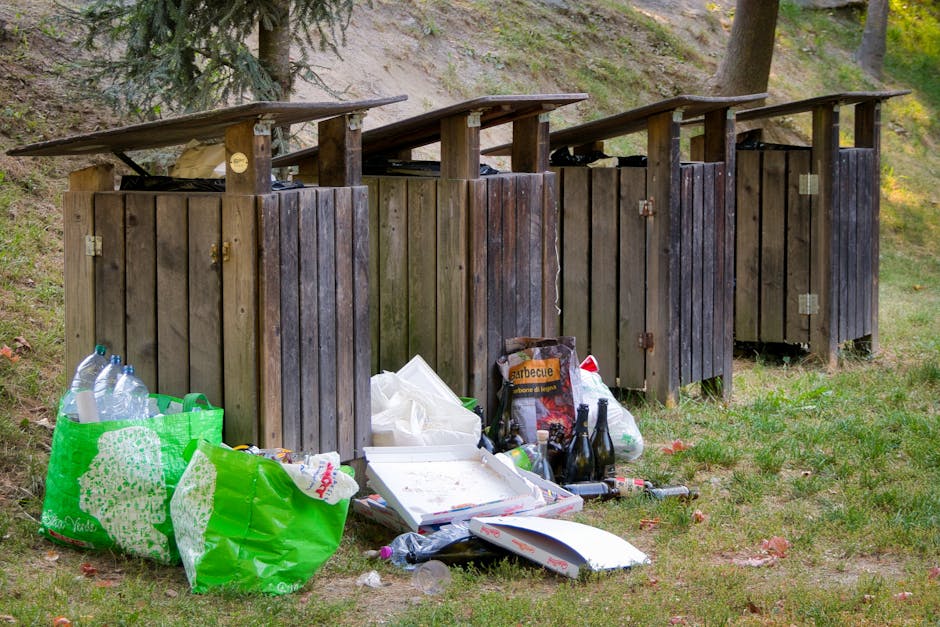
Access Problems for Bulky Rubbish Collections in Finsbury Park
If you have ever tried to shift a sofa down a tight stairwell, or watched a fridge get stuck halfway through a narrow hallway, you already know why access problems for bulky rubbish collections in Finsbury Park can turn a simple job into a proper headache. In this part of London, with terraced homes, flats above shops, basements, controlled parking, and busy residential streets, the issue is often not the waste itself. It is getting the waste out safely, legally, and without upsetting the neighbours. This guide explains what causes access problems, how collection teams work around them, and what you can do to avoid delays, extra hassle, and those annoying last-minute surprises.
Whether you are clearing one heavy item or a full load of bulky waste, the goal is the same: make the collection straightforward enough that nobody is left wrestling a wardrobe in the hallway at 8am. Not ideal, frankly.
Why Access Problems for Bulky Rubbish Collections in Finsbury Park Matters
Access sounds like a small detail until it stops the whole job. In bulky rubbish collection, access means the practical route from where an item is stored to where it can be safely lifted, carried, or loaded. If that route is awkward, the collection may take longer, cost more, or need extra people and equipment. In Finsbury Park, that matters because many properties are not designed with large waste items in mind.
You will see plenty of common obstacles here: narrow front doors, steep internal stairs, shared hallways, resident-only parking, basement flats, top-floor walk-ups, and roads that are busy even on an ordinary weekday. Sometimes the obstacle is as simple as a low branch over the front path. Sometimes it is a bin store with no easy turning space. Sometimes the item is fine, but the route out of the building is not. That is the bit people often underestimate.
Why does this matter so much? Because bulky waste is usually awkward by nature. Mattresses bend in odd ways, wardrobes scrape walls, and white goods are heavy in a way that feels almost rude. A collection that is planned around good access can be quick and calm. A collection that is not planned properly can become noisy, stressful, and more expensive than expected. Truth be told, it can also create avoidable damage to floors, banisters, and door frames.
Expert summary: The real issue in bulky waste collection is often not the size of the item, but the route it must travel. Measure the route, not just the rubbish.
There is also a neighbourly side to this. In a dense area like Finsbury Park, a blocked pavement, a noisy carry-down, or a collection that overruns can create friction very quickly. Good access planning helps the job stay discreet and orderly. That is good for you, good for the crew, and good for everyone else trying to get on with their day.
How Access Problems for Bulky Rubbish Collections in Finsbury Park Works
In practice, a bulky rubbish collection usually begins with a description of the items and the site conditions. The best teams will ask questions about floor level, parking, entry points, staircase width, lift access, and whether the waste is already outside or still inside the property. That may sound a bit detailed, but it is exactly what helps avoid surprises. A sofa is one thing. A sofa plus three flights of stairs and a sharp corner is another story entirely.
Access issues are normally judged against a few practical questions:
- Can a vehicle stop close enough to the property?
- Can two people carry the item safely without forcing awkward angles?
- Is there room to turn, lift, and manoeuvre at doorways or landings?
- Are there shared spaces, locked gates, or concierge rules to work around?
- Will the item need to be dismantled before removal?
When access is straightforward, collections are usually simple. The crew arrives, confirms the load, removes items efficiently, and clears up after themselves. When access is difficult, the process often needs adjustment. That may include bringing extra labour, using the right moving equipment, rearranging collection order, or asking for items to be placed in a more accessible position before arrival.
In some cases, access problems are linked to timing rather than layout. Early morning parking restrictions, school-run traffic, or a crowded street near the station can make a technically easy collection awkward. If the van cannot stop nearby, a short carry becomes a much longer haul. And that, as anyone who has moved a bookcase on foot knows, is where the effort multiplies.
It is also worth saying that access planning is not just about avoiding inconvenience. It is about safety. Good access reduces the chance of strained backs, chipped walls, trips, falls, and damage to communal areas. Not glamorous, but very real.
Key Benefits and Practical Advantages
When access is handled properly, the benefits show up immediately. You save time, reduce stress, and avoid the kind of chaotic collection day that gets remembered for all the wrong reasons. Here are the main advantages of planning bulky rubbish access carefully in Finsbury Park.
- Fewer delays: If the route is clear and the team knows what to expect, the job moves faster.
- Lower risk of damage: Door frames, bannisters, lifts, and communal halls are less likely to be scuffed or knocked.
- Better safety: Heavy items can be removed with fewer awkward lifts and less physical strain.
- More accurate quoting: Clear access details help avoid nasty surprises later.
- Less disruption: Neighbours, tenants, and building managers are less likely to be inconvenienced.
- Cleaner handover: The property is left tidier, and the process feels under control rather than improvised.
There is another benefit that people do not always mention: confidence. If you know the collection team understands the property layout, you do not spend the morning wondering whether the mattress will fit through the stairwell. That peace of mind matters more than it sounds. It changes the whole tone of the day.
For landlords, letting agents, homeowners, and facilities managers, good access planning can also help protect your property. A wall scratch is easy to dismiss until you are the one dealing with the repair. A small bit of prep now can save a bigger headache later. Quite a lot bigger, sometimes.
Who This Is For and When It Makes Sense
This topic matters to a wide range of people in Finsbury Park, and not only those dealing with a big clear-out. If any of the following sounds familiar, access planning is likely relevant to you.
- Homeowners moving bulky items: Old sofas, wardrobes, beds, desks, and appliances often need specialist handling.
- Tenants leaving a flat: End-of-tenancy clearances can become stressful if bulky waste must be removed quickly.
- Landlords and letting agents: Void properties, abandoned furniture, and post-tenant clearances often need careful coordination.
- Estate managers and block managers: Communal access rules, restricted parking, and shared corridors need planning.
- Tradespeople and builders: Renovation waste, old units, and damaged fixtures can be awkward to move through finished interiors.
- Offices and commercial sites: Desks, filing cabinets, shelving, and broken furniture may require route checks before collection.
It makes sense whenever the item is too large, too heavy, too awkward, or too valuable to risk damaging on the way out. That sounds obvious, but people still underestimate it. You might look at a small flat and think, "How hard can it be?" Then the table top meets the stairwell corner. End of story.
If the waste is already outside in a driveway or front garden, access is simpler. If it is on the fourth floor of a converted building with a tight landing, that is a different kind of job altogether. Same item, very different effort. That is why access questions are worth answering before the collection day, not after.
Step-by-Step Guidance
Here is a practical way to prepare for a bulky waste collection when access could be tricky. It is simple, but not simplistic. A little prep goes a long way.
- List the items clearly. Note what needs removing, how many pieces there are, and whether anything is especially heavy or fragile.
- Check the route out. Look at doors, hallways, stairs, lifts, gates, and any tight corners. Measure where needed. A tape measure is dull, yes, but useful.
- Identify access barriers. Think about parking restrictions, locked entrances, intercoms, shared entrances, low ceilings, or narrow external paths.
- Decide what can be moved in advance. Smaller items, loose parts, and breakables should be separated before collection day where possible.
- Clarify building rules. If you live in a managed block, confirm whether there are time limits, booking rules, or loading bay restrictions.
- Share the details early. Describe the property honestly. If a sofa has to be lifted over a railing or taken down four flights, say so. It helps everyone.
- Prepare the space. Clear shoes, plants, boxes, and clutter from the route. Even a small pile in a hallway can become an obstacle.
- Keep the route open on the day. Make sure someone can answer the door, direct the crew, and unlock gates or communal entries if needed.
If the item cannot be moved safely as one piece, ask about dismantling. In real life, taking off table legs or removing cabinet doors can make a surprisingly big difference. Little adjustment, big relief. That is often how these jobs go.
One more thing: if the collection team asks for photos, send them. Pictures of the staircase, the front entrance, or the item itself can be more useful than a long explanation. A quick photo taken in daylight often tells the story much faster than a paragraph ever could. Especially on those grey London mornings when everything looks a bit more awkward than it really is.
Expert Tips for Better Results
After enough bulky collections, certain patterns become obvious. The best results usually come from clear communication, realistic expectations, and a willingness to prepare the route instead of hoping for the best. Here are the tips that genuinely help.
Be honest about the access, even if it feels inconvenient
If there is a tight stairwell or a parking issue, say so. It is better to flag a problem early than to discover it on arrival. A collection can usually be adjusted. A van stuck in the wrong place, not so much.
Think in terms of carrying distance
A front door that opens onto the street is very different from a flat with a 40-metre internal carry. The item might be small, but the carry can still be long and tiring. This is one of the most overlooked details in bulky waste work.
Use the quiet half of the day where possible
In busy neighbourhoods, earlier slots or calmer periods can make a collection smoother. Fewer pedestrians, less traffic, and fewer interruptions. Not always possible, but worth considering if the schedule is flexible.
Protect the route before moving anything
Floor protection, blankets, and clear pathways are simple steps that can prevent scuffs and complaints. You do not need a full film-set setup. Just enough care to avoid the usual bumps and scrapes.
Separate dismantled parts neatly
Loose screws, sharp edges, and detached panels can create problems. Bag small fixings and keep similar parts together. It sounds fussy. It is fussy. But it works.
One small trick that helps in Finsbury Park flats: leave the front door or entry point open only when needed, not all morning. It reduces confusion, keeps the space calmer, and makes the collection feel more controlled. Tiny detail, real difference.

Common Mistakes to Avoid
Most access problems are not dramatic disasters. They are usually a cluster of little oversights. A missing parking space here, a narrow doorway there, a forgotten basement step. Mild chaos. The fix is usually simple, but only if you spot it early.
- Underestimating the size of the item: What looks manageable in a living room can become awkward at the first turn in the hallway.
- Forgetting to measure the route: Door width, stair width, and landing space matter more than many people expect.
- Ignoring building rules: Shared blocks may have access times, lift bookings, or loading restrictions.
- Leaving items inside when they should be ready to go: If the crew expects curbside access and the waste is still upstairs, time is lost.
- Not mentioning parking limitations: A van may not be able to park directly outside, especially on busy streets.
- Assuming everything can be lifted safely as-is: Sometimes dismantling is the smarter option.
- Blocking hallways with extra clutter: The route needs to be clear. Not sort of clear. Actually clear.
Another mistake is trying to power through access problems without enough help. One person dragging a bed frame down stairs is not "saving money"; it is a recipe for damage or injury. Let's be fair, we have all thought about doing something the hard way just to get it done, but this is not the job for that kind of optimism.
If you are unsure whether access is straightforward, ask for a proper pre-check. A short conversation now is much better than a long apology later.
Tools, Resources and Recommendations
You do not need specialist equipment for every bulky rubbish collection, but the right basic tools make a real difference when access is tight.
- Tape measure: Useful for doors, stairwells, furniture dimensions, and awkward corners.
- Phone camera: Photos of the route and the item can help explain the job clearly.
- Gloves: Helpful for handling rough or dusty items, especially older furniture.
- Protective coverings: Blankets or pads can help prevent scratches on walls and floors.
- Basic screwdriver or hex key set: Handy for dismantling simple furniture before collection.
- Labels or tape: Good for marking items that must stay together or be handled carefully.
If you are managing the job yourself before a collection, make a quick sketch of the access route. Nothing fancy. Just a rough note of stairs, turns, doors, and parking points. It sounds old-school, but it works. Sometimes a pencil sketch on the back of an envelope tells you more than staring at the wardrobe for ten minutes.
For larger or more complicated clearances, it also helps to check whether the provider offers broader support across different waste types. For example, if the bulky items sit alongside general clearance waste, a wider services overview can help you see what is covered, while pricing and quotes can help you understand how access may affect the estimate. If you are planning a mixed job, the wider rubbish removal in Finsbury Park page is also a sensible place to start.
For household clear-outs, it can help to compare the needs of the job with dedicated removal types such as house clearance in Finsbury Park or, if the waste comes from a refurbishment, builders waste disposal in Finsbury Park. Access concerns are different in each case, but the same principle applies: know the route before you start.
Law, Compliance, Standards, or Best Practice
Any discussion of bulky waste should include a few sensible compliance points. This is not about overcomplicating things. It is about keeping the job lawful, safe, and responsible.
First, waste must be handled by people who deal with it properly. If you are using a collection service, you want confidence that the waste will be transported and managed in line with accepted UK practice. That includes sensible documentation, safe loading, and proper disposal or recycling routes where applicable. You do not need a lecture. You do need assurance.
Second, access planning should respect building rules and public spaces. Blocking a pavement, leaving items in communal escape routes, or forcing unsafe lifting through a shared hallway is not good practice. In flats and managed buildings, this is especially important. Residents have a right to safe access, and building managers usually have clear expectations around shared areas.
Third, safety matters. Bulky items can be heavy, unstable, dusty, or sharp. Good practice means minimising manual handling risks, using enough people for the job, and not forcing items through spaces where they clearly do not fit. That may sound obvious, but you would be surprised how often common sense gets ignored in the rush to finish quickly.
For customers, best practice is simple:
- describe access honestly;
- clear the route in advance;
- flag any lift, stair, parking, or gate issue;
- avoid storing items in fire exits or shared escape routes;
- confirm any building or landlord rules before collection day.
If you want to understand related trust and service standards more broadly, the site also provides useful supporting information such as insurance and safety details, plus about us for background on the business. That sort of transparency matters. It always has.
Options, Methods, or Comparison Table
Not every access problem needs the same solution. Sometimes the answer is extra planning. Sometimes it is dismantling. Sometimes it is using a different collection method altogether. The table below shows the practical differences.
| Approach | Best for | Pros | Limitations |
|---|---|---|---|
| Standard collection | Easy access, ground floor, curbside items | Fast, simple, usually the least complicated option | Not suitable for tight stairwells or long carries |
| Dismantled-item collection | Large furniture that can be broken down safely | Makes awkward items easier to move | May need tools and extra preparation |
| Inside-property removal | Flats, basements, upper floors, awkward routes | Convenient if the team is prepared for access issues | May take longer and require more labour |
| Mixed clearance service | Bulky items plus general household or office waste | Useful when the job is larger than one item | Needs clearer briefing and may depend on site conditions |
| Staged removal | Complex sites or multiple bulky items | Reduces congestion and can make access safer | Takes more coordination and time |
The right option depends on the property, the waste type, and how much help is needed. For example, a sofa in a ground-floor flat with front access may be quick. The same sofa in a third-floor maisonette with no lift? Different day entirely. No mystery there.
For readers comparing service types, it may also help to look at related specialist pages such as office clearance in Finsbury Park or waste clearance in Finsbury Park if the bulky items are part of a wider clear-out. Context matters. A lot.
Case Study or Real-World Example
Here is a realistic local scenario. A resident in a converted flat near a busy road in Finsbury Park needed to remove a large wardrobe, an old mattress, and a broken bookcase. On paper, it sounded straightforward. But the wardrobe had to pass through a narrow bedroom door, down a tight staircase, and past a shared entrance where other residents also came and went.
The first issue was the wardrobe itself. It was too wide for the staircase in one piece, so it had to be dismantled. The second issue was the landing space. There was just enough room to turn parts safely, but only if the hallway was cleared first. The third issue was parking. The collection team could not stop directly outside for long, so the timing had to be planned to keep the carry as short as possible.
What made the job work was simple, practical preparation. The resident sent photos the day before, the route was cleared, small fittings were bagged, and the item was broken down into manageable sections. The collection ended up taking less time than expected because everyone knew the access challenge in advance.
That is the real lesson here. Access problems do not disappear on their own. But once they are identified, they are usually manageable. Not effortless, but manageable. And that changes everything.
Practical Checklist
Use this checklist before a bulky rubbish collection where access may be tricky in Finsbury Park.
- Measure the item or take clear photos of it.
- Measure doorways, stairwells, and any tight corners.
- Check whether the item needs dismantling.
- Confirm lift access, if relevant.
- Check parking restrictions and loading options.
- Clear hallways, entrances, and shared areas.
- Tell the collection team about gates, locks, or entry codes.
- Ask whether extra labour may be needed.
- Remove loose parts, cushions, shelves, and small fittings.
- Protect floors and walls where the item will pass.
- Confirm building rules for flats or managed blocks.
- Make sure someone is available to guide access on the day.
Quick takeaway: if the route is awkward, prepare the route. It is the single most useful thing you can do.
And if you are planning a bigger clear-out, it can help to read more about the local area too. A few useful background pages include rubbish removal near Finsbury Park station, avoiding hidden rubbish removal charges, and what to expect from same-day delays. These are especially useful if timing and access are both a concern.
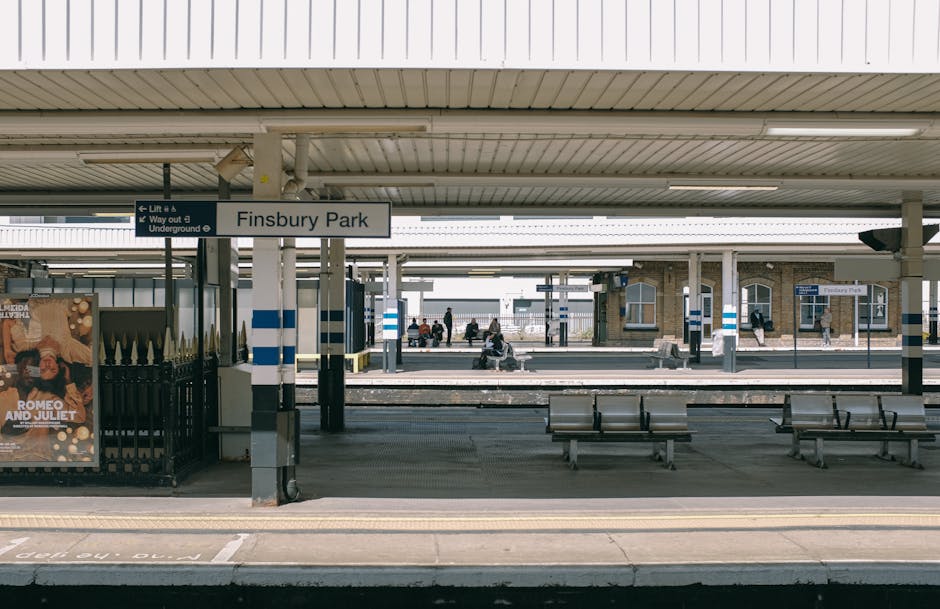
Conclusion
Access problems for bulky rubbish collections in Finsbury Park are common, but they do not have to become a problem. Once you look beyond the item itself and focus on the route, the parking, the building rules, and the carrying distance, the whole process becomes far easier to manage. That is the real shift.
In practice, the best collections are not the ones where nothing could go wrong. They are the ones where the obvious obstacles were spotted early and dealt with calmly. A little preparation, clear communication, and realistic expectations can save time, protect your property, and make the whole thing feel a lot less like a scramble.
If you are staring at a bulky item right now and wondering whether it will actually fit through the building, that is probably your cue to plan carefully rather than hope for the best. Hope is lovely. Measuring is better.
Get a free quote today and see how much you can save.
When the route is sorted, the rest tends to follow. And honestly, that is a relief worth having.


 Tipper Van - Rubbish Removal and Builders Waste Clearance Prices in Finsbury Park, N4
 Luton Van - Rubbish Removal and Builders Waste Clearance Prices in Finsbury Park, N4